

Search Engine Optimization, or SEO, is the driving force behind online visibility in today’s competitive digital world. Whether you’re running a small business, building a personal brand, or launching a new blog, understanding SEO can completely transform your digital presence. For beginners in the United States, this SEO guide is your roadmap to understanding how search engines operate—and how you can use that knowledge to outperform your competition.
Many newcomers think SEO is overly technical or time-consuming, but that’s not true. With the right strategy and foundational understanding, anyone can learn how to optimize their content, attract organic traffic, and achieve higher rankings. Think of SEO as a way to build trust with both search engines and your audience. It’s not just about algorithms—it’s about understanding what people want and delivering genuine value.
By the end of this comprehensive organic SEO guide, you’ll know how to apply proven techniques, measure results effectively, and position your website for sustainable growth. Whether you’re optimizing for local traffic or national visibility, this beginner-friendly SEO guide will help you start ranking faster and smarter.
What Is SEO and Why It Matters
SEO (Search Engine Optimization) is the process of improving your website’s visibility on search engine results pages (SERPs). In simple terms, SEO helps Google understand your content so it can connect your website with users searching for relevant topics.
When done correctly, SEO can attract qualified leads, boost brand awareness, and drive consistent, organic growth—without paying for ads. Over 90% of online experiences start with a search engine, yet most users never scroll past the first page. That’s why having a well-structured cutting-edge content SEO guide for your business is essential.
SEO rests on three core pillars:
- On-page SEO: Optimizing your content, site structure, and keywords. Learn more with On-Page SEO Services.
- Off-page SEO: Building backlinks and authority through trusted sources. Explore Off-Page SEO Services.
- Technical SEO: Ensuring your site is fast, mobile-friendly, and crawlable. Discover Technical SEO Services.
In the United States’ highly competitive online market, ranking on Google builds trust, visibility, and revenue. Understanding the importance of SEO isn’t about gaming algorithms—it’s about delivering high-quality, relevant content that meets user intent and enhances the user experience.
Step-by-Step SEO Guide for Beginners
Step 1: Conduct Keyword Research
Keyword research is the foundation of every dynamic organic SEO guide. Use tools like Google Keyword Planner, Ahrefs, or SEMrush to discover what your target audience searches for. Look for a balance between search volume and competition, and focus on long-tail keywords—phrases that are specific and easier to rank for.
For instance, instead of targeting “SEO,” go for “SEO guide for beginners” or “SaaS SEO guide.” Group keywords into clusters and create content around each cluster. This structure helps search engines recognize your site’s topical authority, especially when building cutting-edge keyword SEO guides.
Step 2: Optimize On-Page SEO
On-page SEO is about refining everything visible on your website. Ensure each page includes:
- A unique title tag and meta description.
- Proper header hierarchy (H1, H2, H3).
- Keywords naturally placed in the first paragraph, subheadings, and conclusion.
Add internal links to related content and external links to authoritative resources such as Ahrefs’ SEO Basics and Google’s SEO Starter Guide. Optimize images with descriptive filenames and alt text. For more guidance, explore How SEO Works: A Beginner’s Guide.
Step 3: Build Quality Backlinks
Backlinks act as digital endorsements. High-quality backlinks from trusted websites signal authority to search engines. Focus on:
- Guest posting on reputable sites.
- Collaborating with influencers.
- Earning citations from cutting-edge white-hat SEO guides and publications.
Avoid spammy links or paid schemes—they can harm your rankings. Instead, produce content so valuable it earns links naturally.
Step 4: Improve Technical SEO
A cutting-edge ecommerce SEO guide must emphasize technical performance. Start by ensuring your site is HTTPS-secured, fast-loading, and mobile-friendly. Use Google Search Console to fix crawl errors, update your XML sitemap, and structure your URLs with clean, descriptive slugs.
Implement schema markup to help Google understand your pages better—whether they’re articles, products, or services. Technical improvements enhance both search visibility and user experience.
Step 5: Create High-Quality Content
Content remains the backbone of every SEO guide. Produce material that solves real problems for your audience. Incorporate infographics, images, and videos to improve engagement.
Long-form, in-depth articles (1,000–2,000 words) tend to perform best. Maintain consistency by publishing regularly and updating older content with fresh insights. Following these practices turns your work into one of the best long-tail SEO guides available for your niche.
Step 6: Track and Analyze Performance
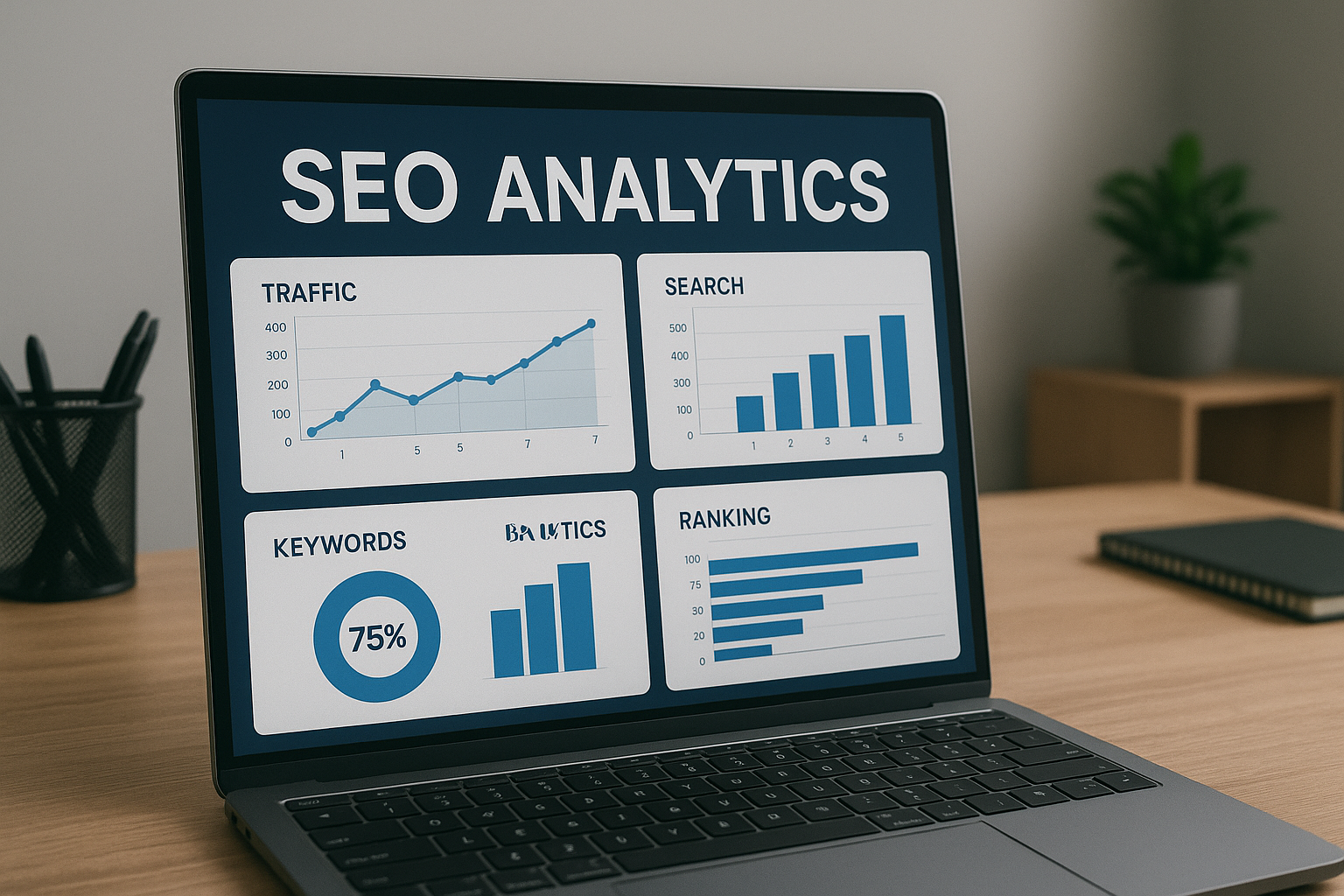
SEO success depends on data. Use Google Analytics and Search Console to monitor organic traffic, bounce rates, keyword positions, and conversion metrics. Tracking helps refine your strategy over time and identify which techniques deliver the best ROI.
Data-driven adjustments ensure your strategy evolves with search trends—keeping your comprehensive organic SEO guides relevant and effective.
Practical Applications and Use Cases
SEO applies to all types of businesses and industries:
- Local Businesses: A bakery in Texas optimized for “best cupcakes in Austin” and boosted its organic traffic by 200%.
- Freelancers: A web designer in California used an SEO blog strategy to attract national clients.
- Ecommerce Brands: Retailers targeting specific keywords like “organic cotton T-shirts USA” saw sales increase by 40%.
Whether you’re working in SEO for event marketing, SaaS, or eCommerce, SEO helps you attract, convert, and retain customers by targeting intent-based searches.
Tips, Best Practices, and Common Mistakes
- Focus on User Intent: Write content that satisfies search intent rather than chasing keywords.
- Avoid Keyword Stuffing: Maintain natural keyword density around 2–3%.
- Update Old Content: Refresh outdated stats, links, and visuals regularly.
- Optimize for Mobile: Over 60% of searches occur on mobile devices—responsive design is a must.
- Monitor Analytics: Use metrics to track performance and guide future updates.
Common mistakes include ignoring technical SEO, skipping backlink strategies, or publishing content without structure. Avoid these pitfalls and lean on a professional SEO Strategist for expert insight.
Conclusion
Mastering SEO doesn’t happen overnight, but with the right foundation, you can achieve measurable results faster. This SEO guide has outlined practical, step-by-step techniques to help you optimize your website, target the right keywords, and track your progress effectively.
The most successful websites view SEO as an ongoing investment that compounds over time. Whether you’re managing a startup, a small business, or a national brand, consistency and high-quality content are your best allies.
Start small, stay strategic, and keep learning. With persistence and the right approach, your site will rise through the ranks—earning lasting visibility and credibility.
FAQs
1. What is SEO, and why is it important?
SEO stands for Search Engine Optimization. It helps websites appear higher on Google, increasing visibility, traffic, and conversions.
2. How long does it take to see SEO results?
Most sites notice results within 3–6 months, depending on competition, content quality, and consistency.
3. What are the main types of SEO?
The three pillars are on-page SEO, off-page SEO, and technical SEO.
4. Can beginners do SEO on their own?
Yes! With beginner-focused resources like this guide, anyone can implement SEO effectively and see steady growth.
