

Why On-Page SEO Techniques Are Essential for Better Rankings
Are you wondering why your content doesn’t rank even though it’s well-written? The truth is, creating great content isn’t enough — without strong on-page SEO techniques, search engines won’t understand or prioritize your page.
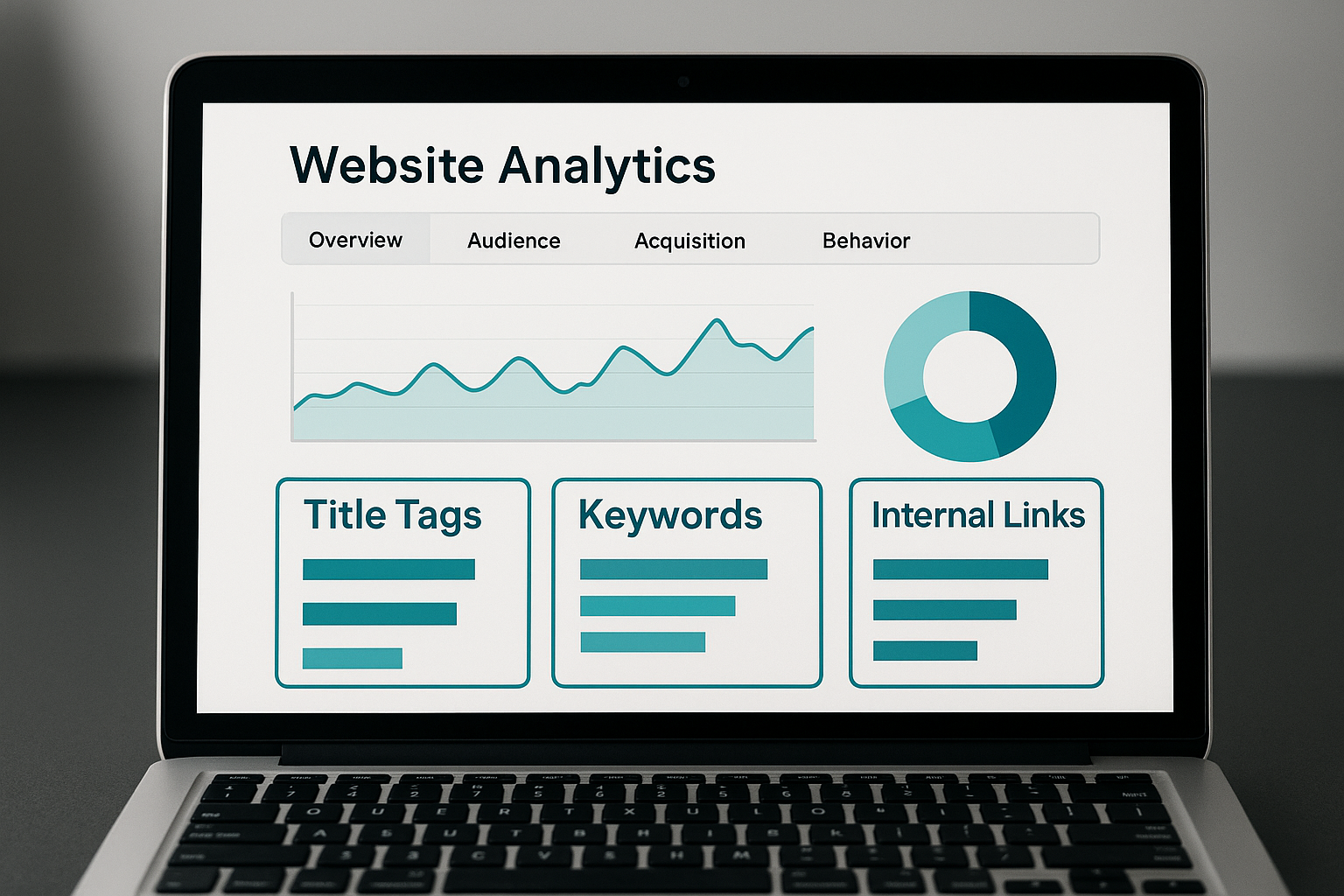
These cutting-edge on-page SEO techniques are the backbone of organic visibility. They ensure every element on your website, from keywords and meta tags to internal links and content structure, signals relevance and authority to search engines like Google.
In this guide, you’ll discover 10 proven on-page SEO techniques that help:
- Improve keyword targeting and search relevance
- Enhance user experience and engagement
- Drive more organic traffic and better rankings
Let’s dive into how you can master these advanced on page SEO techniques and transform your pages into SEO powerhouses.
Understanding the Importance of On-Page SEO
On-page SEO refers to all optimization tactics applied directly to your website to improve visibility in search engine results. Unlike off-page SEO services, which focus on backlinks and external signals, on page SEO optimization techniques ensure your pages are technically sound, content-rich, and user-friendly.
Why does it matter? Because search engines prioritize pages that demonstrate expertise, relevance, and usability. A well-optimized page not only attracts search engines but also satisfies user intent.
Key benefits of mastering on page SEO techniques include:
- Increased visibility: Properly optimized pages rank higher for target keywords.
- Better user experience: Clean layouts, clear navigation, and optimized content keep visitors engaged.
- Higher conversion potential: Relevant content drives qualified traffic ready to take action.
A common misconception is that on page SEO optimisation techniques are a one-time setup. In reality, it’s an ongoing process — every content update, image addition, or design tweak can impact performance. Understanding this ensures your site evolves with Google’s ever-changing algorithms.
10 Proven On-Page SEO Techniques That Drive Results
Optimize Your Title Tags and Meta Descriptions
Your title tag is your first impression in search results. Crafting keyword-rich, compelling titles encourages clicks and sets expectations for visitors. Meta descriptions, while not a direct ranking factor, influence click-through rates (CTR) by summarizing page value.
Pro Tip: Keep title tags under 60 characters and meta descriptions under 160. Always include your primary keyword naturally.
Structure Content with Header Tags Strategically
Header tags (H1, H2, H3) guide both readers and search engines through your content hierarchy. Proper structure improves readability and helps crawlers understand topic relationships.
Pro Tip: Use one H1 per page containing your main keyword, and organize subtopics with descriptive H2 and H3 tags.
Master Internal Linking for Better Navigation
Internal links distribute link equity, guide users to relevant pages, and help search engines crawl efficiently. Well-structured linking also reduces bounce rates by keeping users engaged longer.
Pro Tip: Add 2–3 internal links per 1000 words, using keyword-rich anchor text naturally. For example, connect related content to on-page SEO services or technical SEO services.
Focus on Keyword Placement and Density
Strategic keyword placement boosts relevance without over-optimization. Include your target keyword in the first 100 words, headers, and a few times throughout the content.
Pro Tip: Maintain a natural keyword density (around 2–3%) and focus on semantic variations for context.
Optimize Images with Alt Text and File Names
Images improve engagement but also provide SEO opportunities. Use descriptive file names and alt text to help search engines understand image content.
Pro Tip: Compress large images to enhance load speed and accessibility.
Enhance Readability and User Engagement
Readable content improves dwell time, a key behavioral ranking factor. Break up text with bullets, short paragraphs, and relevant visuals.
Pro Tip: Use a conversational tone, active voice, and transition words to keep readers engaged. Tools like Grammarly or resources from Neil Patel can help refine readability.
Improve URL Structure for SEO Clarity
Clean, keyword-rich URLs tell users and search engines exactly what the page is about. Avoid unnecessary parameters or symbols that confuse crawlers.
Pro Tip: Keep URLs short (under 75 characters) and use hyphens between words.
Use Schema Markup for Rich Results
Schema helps search engines understand page content and display rich snippets such as ratings, FAQs, or prices. This increases visibility and CTR.
Pro Tip: Use schema.org structured data for articles, products, and local businesses. You can also reference tools from Ahrefs or SEMrush for schema insights.
Optimize for Mobile and Core Web Vitals
Mobile-first indexing means Google prioritizes mobile versions of your site. Ensuring responsiveness and fast loading times boosts rankings and UX.
Pro Tip: Test your site speed with Google PageSpeed Insights and fix issues like large scripts or unoptimized images.
Regularly Update and Refresh Content
Outdated information can hurt credibility and rankings. Refreshing content with current stats, links, and keywords keeps your pages relevant.
Pro Tip: Revisit top-performing pages quarterly and update with new data or insights using tools from Moz or Backlinko.
Practical Applications of On-Page SEO Techniques
Implementing these dynamic on-page SEO techniques isn’t just theoretical — it drives measurable results.
Use Case 1: A marketing agency optimized blog titles, internal links, and schema markup. Within 60 days, organic traffic increased by 38% and average time on page improved by 42%.
Use Case 2: An e-commerce brand refined product descriptions and improved mobile speed. The result? 25% higher conversion rates and lower bounce rates.
These examples show that consistent, detailed SEO on page optimization techniques create compounding benefits, improving not just rankings but overall user experience.
Common Mistakes and Best Practices in On-Page SEO
Even experienced marketers overlook critical on-page elements. Avoid these pitfalls:
- Ignoring Meta Tags: Meta titles and descriptions are your SERP sales pitch. Don’t leave them blank.
- Keyword Stuffing: Overusing keywords can trigger penalties. Prioritize readability.
- Skipping Internal Links: Missing internal links wastes SEO equity and hinders navigation.
- Neglecting Mobile Experience: Over 60% of traffic is mobile; slow or unresponsive sites lose rankings.
- Forgetting Content Updates: Stale content signals neglect to search engines.
By applying these best on page SEO techniques, you’ll maintain consistent visibility and authority across your site.
Mastering On-Page SEO for Sustainable Growth
On-page SEO is the foundation of every successful digital strategy. By mastering these on page SEO tools and techniques, from crafting optimized titles to enhancing technical elements, you’ll strengthen both visibility and credibility.
The key takeaway: SEO isn’t about shortcuts; it’s about consistency and precision. Every optimized element signals quality and relevance to both users and search engines.
Start implementing one improvement at a time, track your metrics, and refine regularly. Your path to higher rankings and organic growth begins with these proven on page SEO optimisation techniques.
For personalized strategies, connect with a professional SEO strategist who can tailor these methods to your brand’s needs.
FAQs About On-Page SEO Techniques
Q1: What is the most important on-page SEO factor?
The title tag and content quality are crucial. They directly impact how Google interprets and ranks your page for target keywords.
Q2: How often should I update my on-page SEO?
Review every 3–6 months or after major algorithm updates to maintain alignment with current ranking factors.
Q3: Can on-page SEO alone improve rankings?
Yes, but for best results, combine on-page optimization with off-page efforts like link building and technical SEO.
Q4: What tools help with on-page SEO analysis?
Tools like Ahrefs, SEMrush, and Google Search Console help identify missing tags, broken links, and keyword gaps.Q5: How long before I see results from on-page SEO changes?
Typically, you’ll see noticeable ranking improvements within 4–8 weeks, depending on your site’s authority and competition level.
