
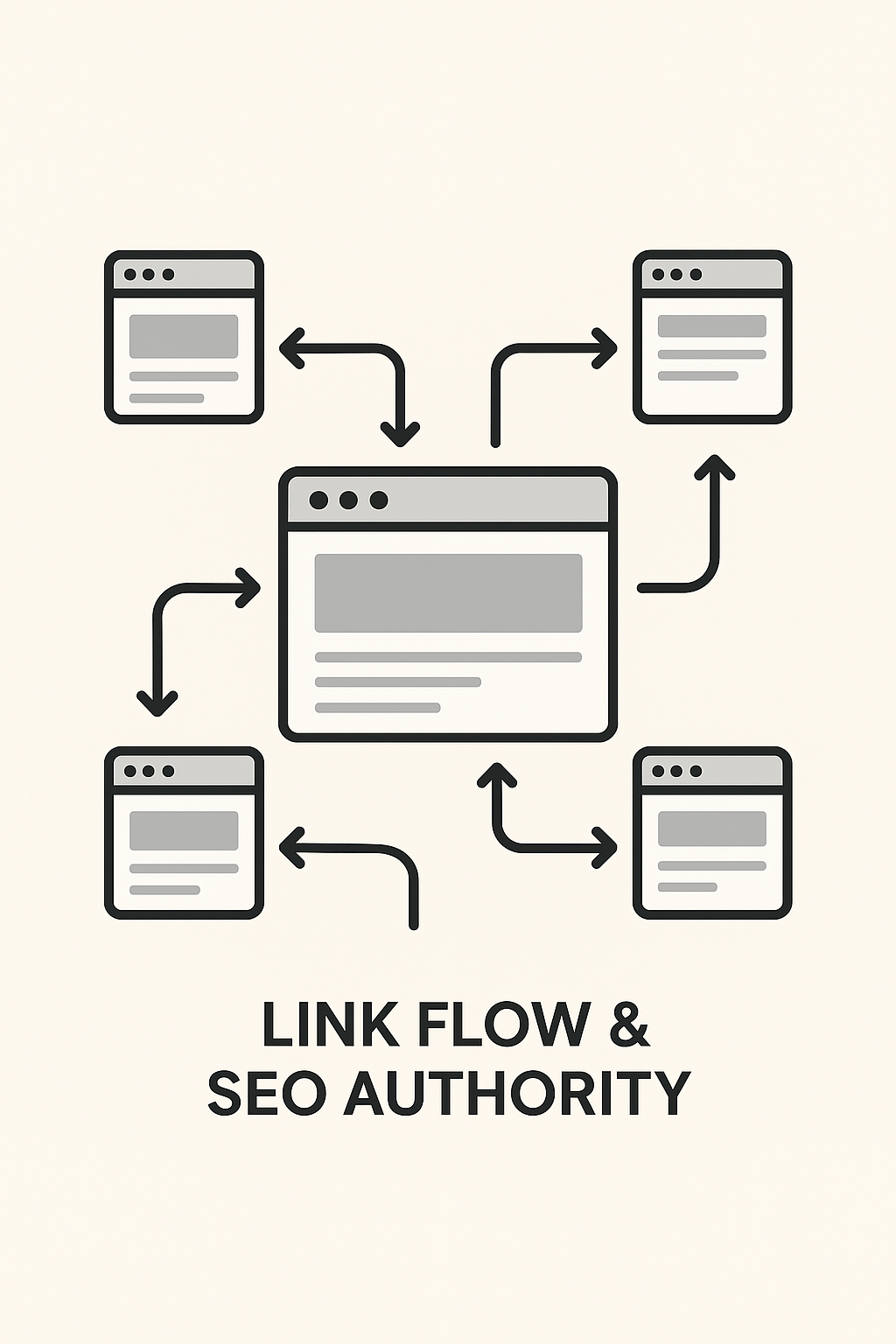

Why a Smart Internal Linking Strategy Can Transform Your SEO Success
Ever wonder why some websites effortlessly climb search rankings while others barely budge? The difference often sits in something small but mighty: a strong internal linking strategy. These internal pathways guide search engines and visitors across your site while distributing authority in a way that lifts more of your pages to the surface. It’s a foundational part of search engine optimization that becomes even more important as the importance of SEO in 2025 continues to grow.
If internal links are ignored:
- Search engines may not detect all your content,
- Important pages stay buried,
- Visitors get frustrated and leave early.
This guide breaks down how SEO works at the linking level and shows you how to design a structure that strengthens authority, enhances user experience, and fits into the broader SEO process. If you’re curious about the fundamentals behind these ideas, resources like SEO basics for beginners offer a useful foundation.
Let’s dig into the internal connections powering your site.
Understanding Internal Linking and Why It Matters
Internal linking serves as the connective tissue of your content ecosystem. It links pages within the same domain, giving search engines clear pathways to follow and users easier ways to discover relevant information. On a deeper level, these connections help clarify your topical hierarchy, similar to the SEO principles for ranking discussed in advanced resources.
Internal links matter because they:
- Improve website structure and hierarchy,
- Help Google understand page importance,
- Increase engagement and dwell time,
- Pass authority from strong pages to weaker ones.
Many people assume internal linking is mostly for user experience, but search engines rely heavily on these signals too. They help reinforce topic relevance and build semantic relationships, which play a large role in how content ranks. Research and insights from industry leaders such as Moz and Ahrefs consistently highlight this.
How to Build an Effective Internal Linking Strategy
Creating a powerful internal linking strategy blends structure, relevance, and intent. Whether you’re studying insights from Forbes or digesting tutorials from platforms like HubSpot and SEMRush, the steps below form the backbone of effective linking.
Step 1: Understand Your Site’s Hierarchy Clearly
Think of your website as a pyramid: the homepage at the top, then category pages, then individual pages at the base. Understanding this hierarchy allows you to direct link equity properly. Crawlers can identify missing or weak connections by scanning your site with tools similar to those referenced in keyword research and competitor analysis workflows.
Mapping your structure may reveal gaps you can fill by linking to on-page SEO services or foundational content like what is SEO.
Step 2: Identify Your Cornerstone Content Pieces
Cornerstone content represents your most authoritative guides and service pages. These should receive the most internal links because they act as key hubs of information. Pages like the detailed ultimate SEO guide for beginners or broader topic explainers like SEO meaning explained serve as excellent cornerstone candidates.
By directing supporting articles to these pillars, you help search engines recognize their importance.
Step 3: Use Keyword-Rich Anchor Text Naturally
Anchor text should explain the linked page clearly. Instead of generic text, opt for variations that support relevance, such as search engine optimization practices or title tag SEO tips. This helps Google understand context without over-optimizing.
Step 4: Add Contextual Links Within the Content
Contextual links inside paragraphs carry far more SEO weight than those in footers or sidebars. They strengthen topical depth and help search engines map your content clusters. For example, when referencing broader SEO systems, connecting the topic to importance of SEO in 2025 gives readers and bots a relevant pathway to more information.
Step 5: Balance Link Distribution Across Pages
Avoid creating link-heavy pages while leaving others isolated. Balanced internal linking improves overall ranking potential. Tools discussed on platforms like Ahrefs and SEMRush can help visualize pages needing more link equity.
Refreshing older content is one of the easiest ways to balance link distribution, especially when linking to high-value resources such as off-page SEO services.
Step 6: Link from High-Authority to Low-Authority Pages
Your top-performing posts, backlink-rich pages, and in-depth guides act as power hubs. Use them to support newer or underperforming pages. A high-authority page about SEO explanations can reinforce related service pages like technical SEO services or topical guides like importance of SEO in 2025.
Step 7: Maintain a Clean and Crawlable Structure
A clean, organized link structure ensures efficient crawling and helps search engines understand topical relationships clearly. Keeping URLs consistent and updating broken links strengthens your architecture. Resources like Moz offer helpful perspectives on crawlability that pair well with understanding how to know if your SEO is working over time.
Practical Applications of Internal Linking
Once implemented, a successful internal linking strategy produces measurable benefits across nearly any industry.
Case 1: Blog Content Strategy
A marketing agency restructured its blogs using topic clusters, adding contextual internal links between related posts. The result was a 42% increase in organic traffic and a 30% jump in session duration. They refined their structure after reviewing insights from publishers like Forbes and marketers at HubSpot.
Case 2: E-commerce Product Pages
An e-commerce shop improved its category and product link structure, helping users travel between related products more easily. Bounce rate dropped by 25% and conversions jumped by 18%, supported by insights from tools like SEMRush.
Case 3: Service-Based Websites
A consulting firm connected high-traffic blog posts to service pages such as SEO strategist services, resulting in a dramatic rise in consultations. Their strategy aligned with advice from resources found on Ahrefs and Moz.
Best Practices and Common Internal Linking Mistakes
Follow these essential guidelines to keep your internal linking strategy effective:
- Use descriptive anchor text that reflects the destination page,
- Limit links so pages don’t feel cluttered,
- Refresh older posts and add new internal connections,
- Link to deeper supporting pages when relevant,
- Maintain predictable site structure and URL patterns.
These habits create a cleaner linking ecosystem and support long-term stability. They also reinforce the kind of clear logical flow expected in authoritative SEO resources like the articles featured on Forbes or the data-driven breakdowns on SEMRush.
Turning Links into Lasting SEO Power
A thoughtful internal linking strategy is more than a technical detail—it’s an engine for long-term growth. By building strong pathways across your content, you guide search engines, strengthen authority flow, and improve user experience. Over time, these small optimizations shape a well-organized site that steadily climbs rankings.
Start small:
- Audit your current links,
- Pinpoint cornerstone content,
- Strengthen contextual pathways.
This consistent process builds a durable SEO system that reveals exactly how SEO works in practice and makes it easier to recognize how to know if your SEO is working.
If you want a structured plan to support these improvements, exploring Rank Ryan SEO services can help you build a more powerful linking system.
FAQs About Internal Linking Strategy
1. What is an internal linking strategy in SEO?
It is the method of connecting pages within your website to improve navigation, distribute link authority, and elevate search performance. This concept appears in many foundational resources, including in-depth guides on how SEO works across a site.
2. How many internal links should a page have?
Three to five contextual links per one thousand words typically maintain a good balance without overwhelming users.
3. Should I use exact match anchor text?
A mix of exact match, partial match, and branded anchors works best. Repeating the same anchor text can appear unnatural.
4. How often should I update internal links?
Review internal links every three to six months or when new content goes live. This keeps your link architecture stable and aligned with new priorities.
5. What tools can help with internal linking?
Tools like Ahrefs, SEMRush, and Moz help identify gaps, monitor crawlability, and highlight orphaned pages. These insights support both keyword research and competitor analysis along the way.
