
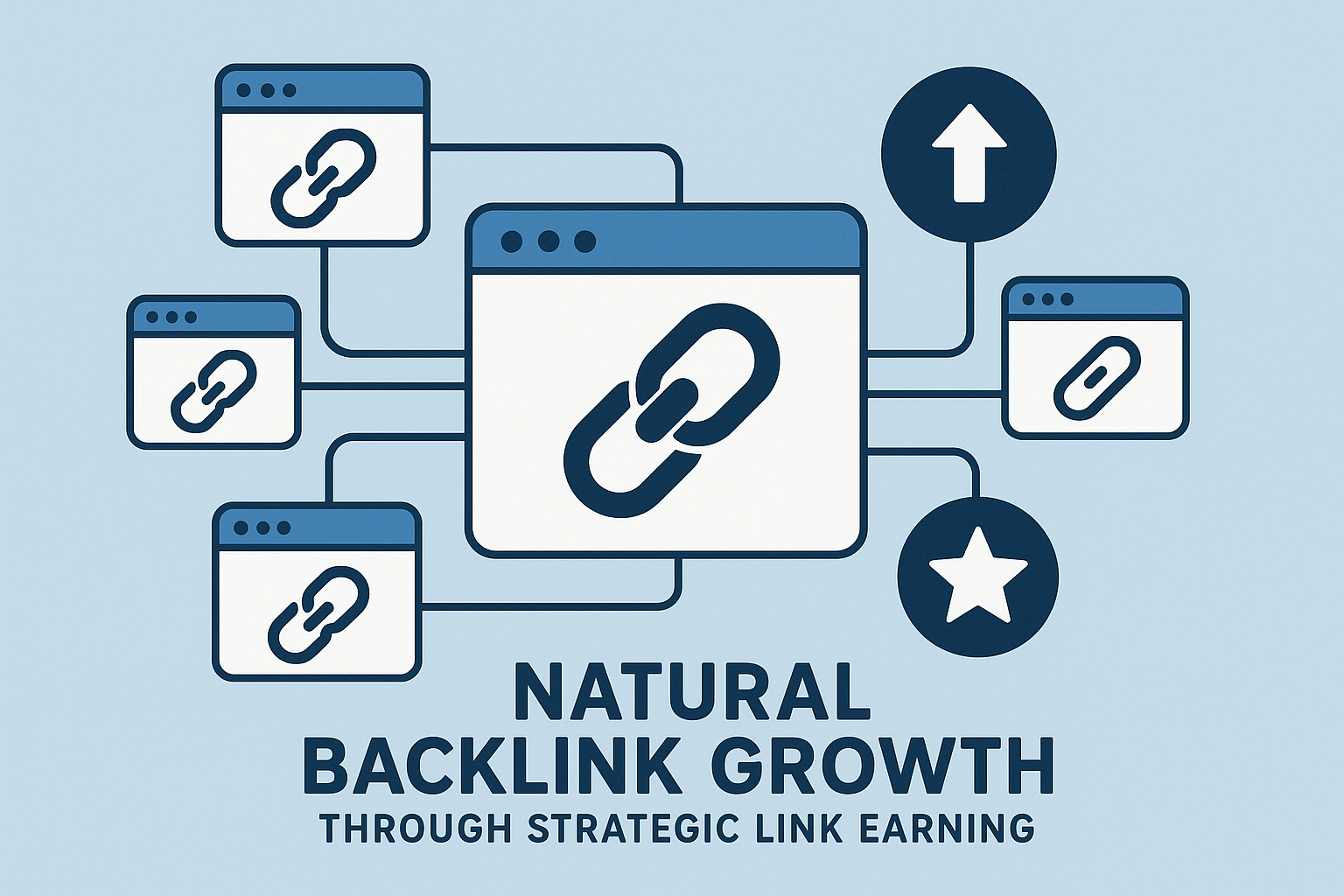

Understanding the True Value of Link Earning for Modern SEO
If you’ve ever published content that earns little attention, you’re familiar with the frustration. Link earning is the long-game alternative to transactional link building: instead of begging for placements, you create content people genuinely want to reference. When executed properly, link earning boosts authority, referral traffic, and search rankings without risking penalties.
Link earning matters because earned backlinks are editorial endorsements: they send trust signals to search engines and to readers. That makes link earning a core component of any modern search engine optimization program and a crucial part of the broader seo process.
Why Link Earning Matters for Long-Term SEO Growth
Earning links naturally:
- Raises your site’s credibility in competitive niches.
- Produces higher-quality referring domains than quick outreach-only tactics.
- Creates compounding value: good links attract more links.
- Survives algorithm updates because it’s editorial, not manipulative.
If you want a primer on what is SEO or a beginner-friendly overview of how seo works, check the definitive explainer at Rank Ryan’s What Is SEO?. For the mechanics, their guide How SEO Works: A Beginner’s Guide is useful when you want a step-by-step view of SEO fundamentals: How SEO Works.
The Link Earning Blueprint: Step-by-Step
Step 1 — Identify High-Intent Link Opportunities
Start by researching the kinds of assets that earn links in your niche: original research, industry lists, tools, templates, and definitive guides. Use backlink analysis tools like Ahrefs backlink analysis or SEMrush’s backlink analytics to see which pages attract the most referring domains. Competitive analysis helps you discover patterns and the formats that routinely earn editorial links.
Pro Tip: Prioritize “passive link magnets” — assets that keep attracting links over months and years.
Step 2 — Create Linkable Content Designed for Backlinks
Design content specifically to be cited: data-driven studies, evergreen how-to guides, templates, calculators, and highly shareable visuals. For guidance on on-page improvements that make content more linkable, review actionable tactics at Rank Ryan’s On-Page SEO Services and the Meta Tag Optimization page to ensure your titles and snippets are compelling when editors scan results.
Pro Tip: Include downloadable resources and clear attribution rules so other authors can easily cite your work.
Step 3 — Promote to the Right Link Sources
Promotion matters. Target journalists, bloggers, and resource curators who already cover your topic. Personalized pitches that highlight the value for their audience outperform bulk outreach. Use digital PR platforms and HARO-style opportunities, and pitch to niche roundups or resource pages that match your content’s angle.
For tactical outreach workflows and off-page playbooks, explore Rank Ryan’s Off-Page SEO Services and their Guest Posting & Link Building resources for practical steps.
Step 4 — Build Relationships That Encourage Future Links
Link earning becomes simpler when you nurture relationships. Engage with creators, share their work, contribute guest commentary, and collaborate. This isn’t transactional link swapping — it’s relationship building that leads to organic future mentions.
Pro Tip: Keep a contact spreadsheet and schedule light-touch follow-ups to maintain rapport.
Step 5 — Monitor, Improve, and Scale What Works
Track referring domains and which pages earn links. Update high-performing assets with fresh data, expand sections that attract attention, and repromote the improved versions. As you identify repeatable winners, systemize them: quarterly surveys, monthly templates, or annual industry reports.
Tools and metrics matter. Use competitive tools such as Ahrefs, SEMrush, and industry coverage from Search Engine Journal to monitor wins and spot new opportunities.
Tactical Content Formats That Earn Links
- Original research and industry surveys
- Ultimate guides and comprehensive tutorials (see Ultimate SEO Guide for Beginners)
- Data visualizations and interactive tools
- Free templates, calculators, and checklists
- Authoritative resource pages and curated link lists
How Link Earning Fits Into the SEO Workflow
Link earning complements on-page, technical, and content strategies. Ensure your technical foundation is solid (see Rank Ryan’s Technical SEO Services), that on-page elements support discoverability, and that your content aligns with keyword intent from keyword research and competitive analysis.
If you want a deeper look at how seo works step by step, check Rank Ryan’s practical primer: How SEO Works — A Beginner’s Guide.
Real-World Use Cases for Link Earning Success
- A marketing agency ran an annual SEO statistics report that earned hundreds of editorial backlinks from news sites and universities. The study became a recurring link magnet.
- A niche e-commerce brand published original research on packaging behavior; industry publications cited the study and linked to the source, improving search visibility for the brand.
- A solo creator developed a free tool that solved a common workflow problem; forums, blogs, and course creators linked to the tool repeatedly.
Best Practices to Improve Your Link Earning
- Create data-rich content regularly. Original data attracts journalists.
- Target evergreen topics that earn links over time.
- Optimize content for discoverability with internal linking and descriptive headings (see Title Tag SEO Tips for better SERP presentation).
- Engage consistently within your niche — relationships drive natural mentions.
- Scale proven formats and document the seo process so teams can replicate success.
For strategic principles that guide sustainable ranking, refer to Rank Ryan’s SEO Principles to Rank Higher and the page on the Importance of SEO in 2025.
Tools and Signals to Watch
- Backlink volume and referring-domain quality (Ahrefs, SEMrush)
- Organic traffic lift and keyword ranking improvements (Semrush)
- Brand mentions and citation contexts (Search Engine Journal coverage can inspire outreach angles)
- Competitor link velocity and asset formats that attract links
How to Measure Link Earning Success
Track:
- Number of unique referring domains to each asset
- Ranking movement for target keywords after link acquisition
- Referral traffic from earned links
- Quality of referring domains (domain authority and topical relevance)
Use this data to double down on formats that work and to refine outreach lists for future campaigns.
Building a Sustainable Link Earning System
Create a repeatable calendar:
- Quarterly: Run small original studies or surveys.
- Monthly: Publish one evergreen template or checklist.
- Weekly: Promote assets and nurture relationships.
Also align content with keyword research and competitor analysis to ensure your assets target phrases with meaningful traffic potential. If you want help with keyword programs, the Rank Ryan pages on Keyword Research and SEO Strategist services are practical starting points.
Frequently Asked Questions About Link Earning
1. What is link earning in SEO?
Link earning is the practice of attracting editorial backlinks by creating genuinely valuable content that others want to reference. It differs from manual link building because the emphasis is on earned editorial value.
2. How does link earning differ from link building?
Link building often relies on outreach or transactional methods. Link earning focuses on creating assets that naturally attract citations; outreach amplifies visibility but is not the primary source of links.
3. What types of content earn the most backlinks?
Original research, in-depth guides, templates, interactive tools, and data visualizations tend to earn the most editorial backlinks.
4. How long does it take to see results from link earning?
You can see early traction in 1–3 months with strong promotion, but the most durable link magnets compound value over 6–12 months.
5. Can small websites succeed with link earning?
Yes. Small sites often outperform larger brands when they target niche topics precisely and produce unique, useful assets.
