
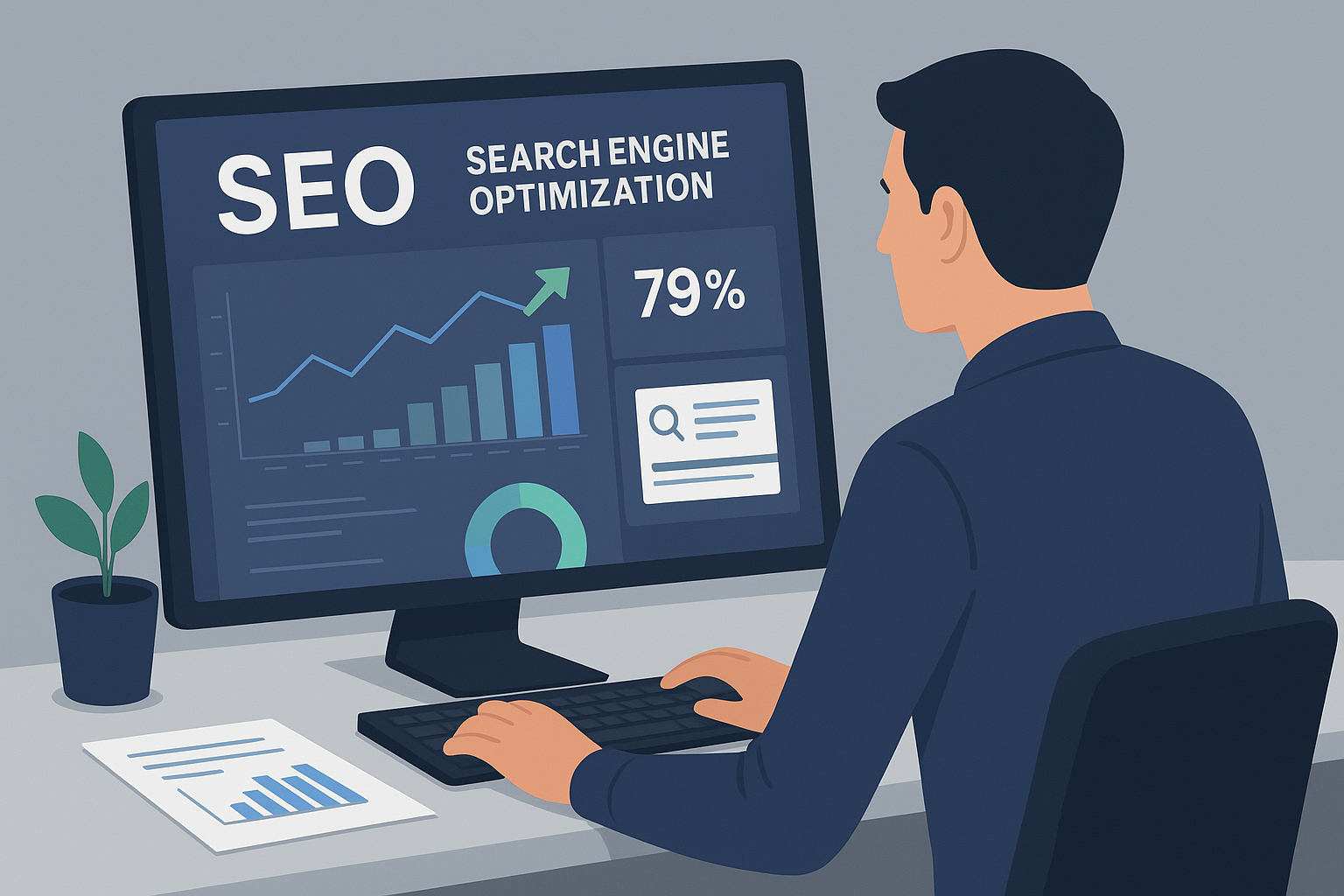

Search Engine Optimization, or SEO, is one of the most powerful tools in digital marketing today. With over 8.5 billion Google searches performed daily, understanding the true SEO meaning is essential for any business that wants to stand out online. Whether you’re a local business owner, digital marketer, or entrepreneur in the United States, mastering SEO can transform your brand’s visibility, traffic, and long-term growth.
In today’s competitive U.S. digital landscape, SEO isn’t just a marketing term—it’s the foundation of online success. From ranking on Google to driving targeted traffic that converts, knowing what SEO means and how it works can unlock new opportunities for growth, authority, and influence.
In this guide, we’ll uncover the seo meaning acronym, explain why SEO matters in 2025, and reveal how to harness its full power to dominate search results.
What Does SEO Mean? Understanding the Core Concept
At its core, SEO (Search Engine Optimization) refers to the process of improving a website’s visibility on search engines like Google, Bing, and Yahoo. When someone searches for a keyword related to your business, SEO helps your site appear higher in the results.
The seo writer meaning goes beyond keywords—it’s about crafting optimized, valuable content that aligns with what users and search engines want. SEO combines technical precision, creativity, and strategy to attract high-quality traffic organically.
Key Components of SEO Meaning
- On-Page SEO: Optimizing elements like keywords, meta tags, internal links, and structure. Explore On-Page SEO Services for expert guidance.
- Off-Page SEO: Building credibility through backlinks and brand mentions. Learn more about Off-Page SEO Services.
- Technical SEO: Enhancing performance, speed, mobile usability, and crawlability. Discover Technical SEO Services.
- Content SEO: Creating high-quality, relevant content that satisfies search intent.
In short, SEO meaning revolves around making your website discoverable, authoritative, and user-friendly for both search engines and real people.
The True Power of SEO: How It Works and Why It Matters
To fully understand seo keywords meaning, it’s important to know how search engines work. When users type a query into Google, the search engine uses complex algorithms to provide the most relevant and trustworthy results. SEO aligns your content and structure with those algorithms.
How Search Engines Rank Websites
Search engines analyze hundreds of ranking factors—keywords, backlinks, site speed, and user experience. Google prioritizes E-E-A-T (Experience, Expertise, Authoritativeness, Trustworthiness), which means businesses must produce credible and engaging content.
SEO Strategies That Drive Results
- Keyword Research: Identify the search terms your audience uses.
- Content Optimization: Create relevant, keyword-focused content.
- Link Building: Earn backlinks from reputable sites like Search Engine Journal or Moz.
- Technical Optimization: Improve load times, mobile responsiveness, and site architecture.
- Local SEO: Target U.S. regions for localized visibility.
Why SEO Matters in 2025
The seo campaign meaning goes beyond visibility—it’s about trust, conversions, and credibility. SEO leads have a 14.6% close rate compared to 1.7% for outbound leads. Organic search drives over 53% of all website traffic.
For U.S. businesses, investing in SEO isn’t optional—it’s essential.
The SEO Ecosystem: Paid vs. Organic Search
While paid ads deliver quick results, SEO provides sustainable growth. Paid campaigns end when budgets run out, but SEO continues generating traffic over time. This long-term value defines white label SEO meaning for agencies and marketers offering scalable solutions.
Real-World Examples: SEO Meaning in Action
Understanding seo difficulty means and applying SEO principles can yield measurable results:
Local Restaurant Optimization
A New York restaurant optimized its Google Business Profile and added local keywords like “best Italian restaurant in Manhattan,” leading to a 70% boost in reservations.
E-Commerce Growth
A U.S.-based retailer refined its product pages and improved on-page SEO, increasing organic sales by 45% within six months.
Content Strategy Success
A small tech blog used keyword research tools to identify trending topics and tripled its traffic by targeting niche search queries.
These examples illustrate that regardless of size or industry, understanding seo report means tangible growth and online success.
Expert Tips: Mastering SEO for Sustainable Growth
To harness the full potential of seo meaning, a strategic, data-driven approach is key.
- Focus on Search Intent: Go beyond keywords—understand what users really want.
- Create Value-Driven Content: Prioritize relevance, readability, and trustworthiness.
- Maintain Technical Health: Regularly audit speed, usability, and security.
- Leverage Analytics: Use Google Analytics and Search Console for insights.
- Build Authority Naturally: Earn links and mentions from sites like Search Engine Land, Forbes, and HubSpot.
For businesses seeking expert guidance, consider working with an experienced SEO Strategist to develop a plan that drives measurable results.
Key Takeaways: Why SEO Meaning Matters for Every Business
SEO is about more than rankings—it’s about connecting with your audience, building trust, and achieving sustainable growth. Understanding seo title meaning and how optimization impacts visibility empowers businesses to thrive in competitive markets.
In the fast-paced U.S. digital environment, SEO ensures that when customers search, your brand appears front and center. Businesses that master SEO meaning not only attract visitors but also convert them into loyal customers.
To get started, explore How SEO Works: A Beginner’s Guide for a step-by-step breakdown of successful search strategies.
Frequently Asked Questions (FAQs)
1. What does SEO stand for?
SEO stands for Search Engine Optimization—the process of improving website visibility in search results.
2. Why is SEO important for businesses in the U.S.?
SEO helps businesses reach more customers, build credibility, and reduce reliance on paid ads.
3. How long does SEO take to show results?
Most websites see measurable improvements within 3–6 months, depending on competition and strategy.
4. What’s the difference between SEO and PPC?
SEO focuses on organic search traffic, while PPC involves paid ads that provide immediate but temporary visibility.
5. Is SEO still relevant in 2025?
Absolutely. As algorithms and user behaviors evolve, SEO remains critical for online growth and brand authority.
