
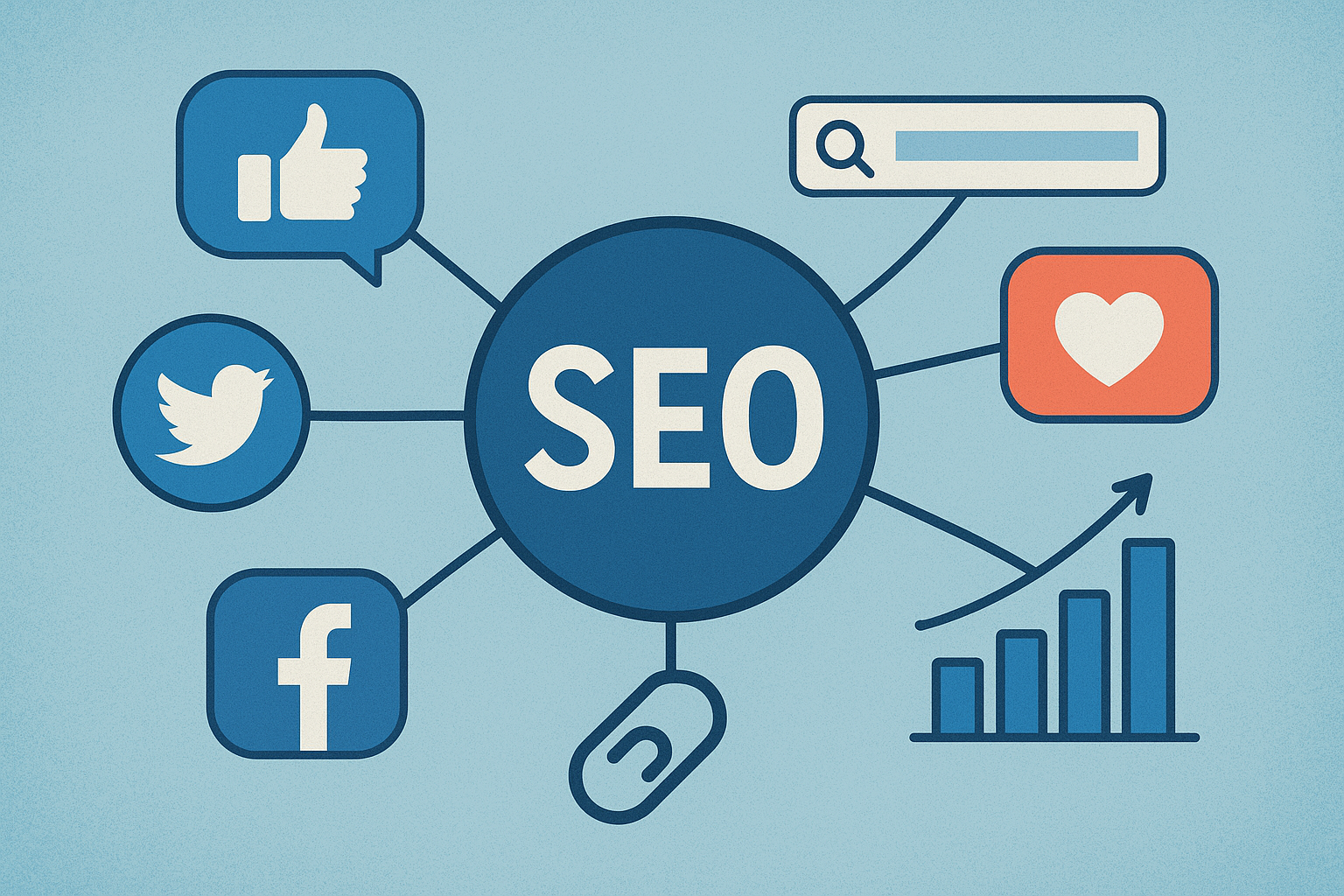

Social media has become one of the most underestimated drivers of organic search growth. Businesses pour hours into posting, responding, and sharing, but many still wonder how these actions influence SEO. The truth is that social engagement affects discoverability in ways that go far beyond likes or retweets. It fuels visibility, amplifies content, and accelerates the natural link building process for brands using social media SEO strategies.
When people engage with your posts, they generate signals that help search engines recognize authority. They also create opportunities for bloggers, journalists, and industry contributors to find and reference your content. This matters even more for U.S. brands competing in crowded digital spaces where attention and authority are essential.
By the end of this guide, you will understand how SEO works through social amplification, why engagement plays a critical role, and how to leverage platforms strategically to earn more backlinks.
How Social Media Influences SEO Performance
Social media does not directly improve rankings, but it indirectly influences search engine optimization in meaningful ways. When your brand is consistently active across multiple platforms, your content reaches more people, and that visibility results in more backlink opportunities. Increased authority, a broader distribution network, and stronger branded search signals all contribute to improved SEO performance.
The process works because social engagement leads to three primary outcomes that affect rankings:
• Increases branded search volume, which signals trust.
• Expands content reach, producing more natural backlink opportunities.
• Enhances user recognition and authority across your niche.
Although likes and shares are not official ranking factors, search engines still monitor how content circulates online. When a highly shared post reaches bloggers, journalists, or publishers, they often cite and link to it. These earned links become powerful contributors to the SEO process.
Understanding this distinction helps you focus on strategies that matter: content distribution, authority building, and engagement that leads to organic link creation. Resources like the Google SEO Starter Guide and Moz SEO insights help reinforce how these signals support long term growth.
How Social Engagement Builds Links and Boosts Search Visibility
Social media engagement is the foundation of effective social media SEO. The more your audience interacts with your posts, the more reach your content gains across platforms. Each extension of reach increases the likelihood that creators, publishers, and industry writers will discover your material and link to it.
How Engagement Expands Content Discovery Channels
Content that gains early engagement triggers platform algorithms to expand its visibility. When TikTok, Instagram, LinkedIn, or Facebook detect meaningful reactions, they push your posts into broader audiences. This enhanced discoverability exposes your content to writers, editors, and influencers who may eventually link to your insights on their websites. Even a single discovery moment can lead to multiple backlinks over time.
How Engagement Encourages User-Driven Link Sharing
Users who find value in your content often share it on platforms outside traditional social feeds. These include online communities, niche forums, Slack channels, and newsletters. Each secondary share increases your content’s lifespan and introduces it to people who may later reference it in blog posts or curated lists. This user driven distribution directly supports link building and strengthens long term visibility.
How Engagement Signals Authority to Content Creators
Many content creators evaluate brand credibility by reviewing its digital footprint. Strong engagement signals trust, expertise, and social validation. When creators perceive your brand as reputable, they are more likely to cite it in their articles or resource recommendations. This creates a steady flow of natural backlinks that reinforce your authority. Industry tools like Semrush ranking factors show that credibility signals strongly influence link acquisition.
How Engagement Elevates Brand Visibility Over Time
Repeated exposure from highly engaged posts keeps your brand top of mind. When audiences repeatedly encounter your content across social feeds, they are more likely to search for your brand directly. Branded search volume is a powerful signal in search engine optimization and plays a major role in how to know if your SEO is working. Engagement also fuels user generated content that further amplifies reach.
How Engagement Strengthens Content Distribution Lifespan
Most posts disappear quickly unless they receive strong engagement early. High performing content continues to circulate for days or even weeks, increasing the chances that new audiences and creators will discover your material. A prolonged distribution cycle creates more opportunities for link building and supports stronger topical authority.
Practical Ways Social Engagement Supports SEO for U.S. Brands
Social engagement supports SEO in different ways depending on the industry and the type of content a brand produces. Many U.S. businesses use engagement to generate backlinks, boost visibility, and strengthen keyword competition analysis strategies.
A SaaS brand might publish data driven content on LinkedIn. High engagement pushes the post across professional networks, increasing the chance that analysts and writers will cite the insights. These citations result in authoritative backlinks and improved rankings for competitive queries.
Local U.S. businesses also benefit. A restaurant posting viral videos on Instagram or TikTok experiences higher branded search volume. Increased branded search often leads to improved local rankings, more map pack visibility, and stronger organic presence.
E-commerce brands frequently use Pinterest to amplify content. When multiple pins generate traction, bloggers include products in gift guides and curated articles. Each reference strengthens the domain and aligns with best practices covered in the Ultimate SEO Guide for Beginners.
Best Practices to Maximize Social Media SEO Impact
Applying the right strategies makes it easier for social engagement to translate into SEO results. The following best practices help strengthen authority, expand reach, and encourage natural backlinks.
Create Share-Worthy Content With Clear Hooks
Effective social media SEO begins with compelling hooks that capture attention. A strong hook increases the likelihood of shares, comments, and saves. High performing posts travel farther across networks, giving your content a better chance to reach publishers who may link to it. Reviewing insights from foundational SEO resources like SEO basics from Ahrefs can further improve your strategy.
Repurpose High-Performing Content Across Platforms
Repurposing keeps your content alive longer and exposes it to broader audiences. Turning a successful post into a video, carousel, thread, or infographic multiplies touchpoints and enhances discoverability. The more visible your content becomes, the more likely creators are to reference it, contributing to natural link growth.
Engage Directly With Creators and Communities
Responding to comments and participating in conversations strengthens credibility. Engaging with U.S. creators and industry communities builds trust and increases your chance of being cited. This engagement complements strong link building strategies often discussed in resources such as guest posting SEO methods.
Post Consistently to Build Recognizable Authority
Consistency builds recognition and helps establish authority. When audiences see your content frequently, they begin associating your brand with trust and expertise. This drives branded search volume and strengthens your SEO foundation. Consistency also supports principles outlined in SEO principles to rank higher.
Use Analytics to Track Engagement-to-Link Patterns
Analytics help determine which posts lead to backlinks and which formats resonate with your audience. By analyzing engagement patterns, you refine your strategy and create content more likely to generate links. This aligns with the broader SEO meaning explained in SEO meaning and search optimization insights.
Final Takeaway
Social engagement is one of the most powerful but overlooked contributors to SEO. By maximizing how your content spreads across platforms, you create natural opportunities for backlinks, citations, and stronger search visibility. The more people interact with your content, the more authority your brand gains across the U.S. market.
To elevate your SEO performance further, consider pairing social media tactics with strong foundational strategies such as on page SEO services, off page SEO services, and technical SEO services.
Frequently Asked Questions About Social Media SEO
1. Is social media a direct ranking factor for SEO?
Social media is not a direct ranking factor, but it influences SEO through visibility, backlinks, and branded search volume. Content that gains traction reaches publishers and creators who link to it, improving organic performance.
2. How does social engagement help with link building?
Engagement expands reach. As more people see your content, the likelihood of bloggers, journalists, and industry writers referencing it increases. These citations naturally become backlinks that strengthen your authority.
3. Can social media improve local SEO for U.S. businesses?
Yes. Strong engagement increases branded searches and boosts local visibility. Local businesses posting shareable content often improve their appearance in map results and local queries.
4. What platforms help the most with SEO?
LinkedIn, Pinterest, YouTube, and Twitter (X) generate the strongest backlink opportunities. These platforms support formats that encourage engagement, discoverability, and link creation. Brands can also strengthen their SEO by using strategies found in broken link building guides.
5. How often should I post on social media for SEO impact?
Most brands benefit from posting three to five times per week. Consistency and quality matter more than volume. Regular, high engagement posts create opportunities for backlinks and branded search growth.
